
Blog RSS Feed
-
 As we celebrate another Labor Day, let's step back for a moment and consider what Scripture has to say about work and rest.Read More
 -
 “But who do you say that I am?”Read More
 -
 An Ignatian ReflectionRead More
 -
 The four different kinds of soil are taken to represent four kinds of responses to the Word of God which it has received.Read More
 -
 Father's Day is next Sunday. How about the Father in the Parable of the Prodigal Son? Perhaps we miss the central lesson of the Parable and could gain deeper insight if we referred to it as the Parable of the Incredible Father.Read More
 -
 This article calls for Catholics to pray for true vocations and the restoration of faithful obedience to our seminaries regarding the Church's teachings on sexual morality.Read More
 -
 But why should we, as a nation and as Catholics, remember something so … grim?Read More
 -
 The original day of Pentecost saw dramatic events that are important to the life of the Church. But where did the feast of Pentecost come from? How can we understand what happened on it? And what does it mean for us today? Here are 8 things to know and share about it . . .Read More
 -
 Prayer can be described in many ways. Yet, at it’s heart, prayer is simply talking to God. Jesus had taught his disciples early in his ministry about how to pray (The Lord’s Prayer). Now he demonstrates the way to pray, also revealing the heart of God in the process. Our prayers reflect our values and what is truly in our hearts. As Jesus offers his petitions to the Father, let’s notice what they are, and so, align our own hearts with the heart of God.Read More
 -
 Literally, Jesus says in verse 18, “I will not leave you orphaned; I am coming to you.” No one is meant to be alone in the family of God. No one is meant to be without hope. To gird up that hope, Jesus binds to us the promise of his return, when we will see him again, face to face, and will know by experience the way that the first and second persons of the Trinity are bound to one another because we will be part of that bond.Read More
 -
 Thomas is not to blame for this label. He made a reasonable statement in an unreasonable, once-in-a-lifetime resurrection situation. What's fascinating is how comfortable we are in letting Thomas be so trapped.Read More
 -
 Jesus has been their life for these last three years. They have left family and jobs -- everything -- to follow him and assist him on his mission. And now he is leaving? He is the one they believe to be the Messiah, the Son of God. How can his enemies win? They are confused, discouraged. So Jesus speaks much-needed words of comfort to these men whom he loves.Read More
 -
 When Jesus says he is both “the door” and “the good shepherd” he is using two analogies in order to help his listeners better understand the nature of who he is and what he came to do. He’s a door because he is the way to salvation. He’s a good shepherd because he keeps, protects, and guides his sheep. He’s describing two aspects of his nature and so, we need to resist the temptation to over analyze and over-interpret this passage.Read More
 -
 Were not our hearts burning within us while he was talking to us on the road?Read More
 -
 This man lived his entire life in the darkness, that is, until he met Jesus.Read More
 -
 Notice how Peter responds: “Jesus, it is good for us to be here.”Read More
 -
 Wisdom Within Laws About Murder, Adultery, and DivorceRead More
 -
 Understanding the ‘Salt of the Earth’ in Matthew 5:13Read More
 -
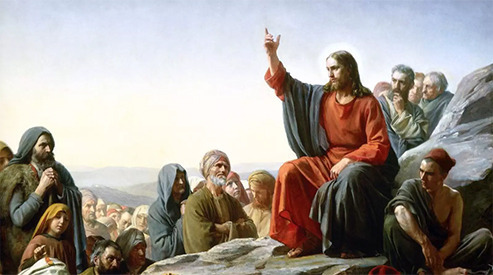 Jesus had just begun His ministry. After numerous healings, demon extractions, miracles, and teachings, the Son of Man had gained an enormous following. A crowd of people from all over Judea, Jerusalem, Tyre, and Sidon flocked around him in hopes to be touched by Jesus’s healing power—which literally flowed from HimRead More
 -
 I can tell you from a lot of personal experience, it is definitely not easy to immediately drop these negative voices, fears, and insecurities off at the edge of the boat – along with all that is familiar and comfortable to us – and then to step out of that boat and confidently follow Jesus in his ministry of light shining, good news spreading, and kingdom bringing.Read More
See More
I can tell you from a lot of personal experience, it is definitely not easy to immediately drop these negative voices, fears, and insecurities off at the edge of the boat – along with all that is familiar and comfortable to us – and then to step out of that boat and confidently follow Jesus in his ministry of light shining, good news spreading, and kingdom bringing.Read More
See More